J. M. W. TURNER
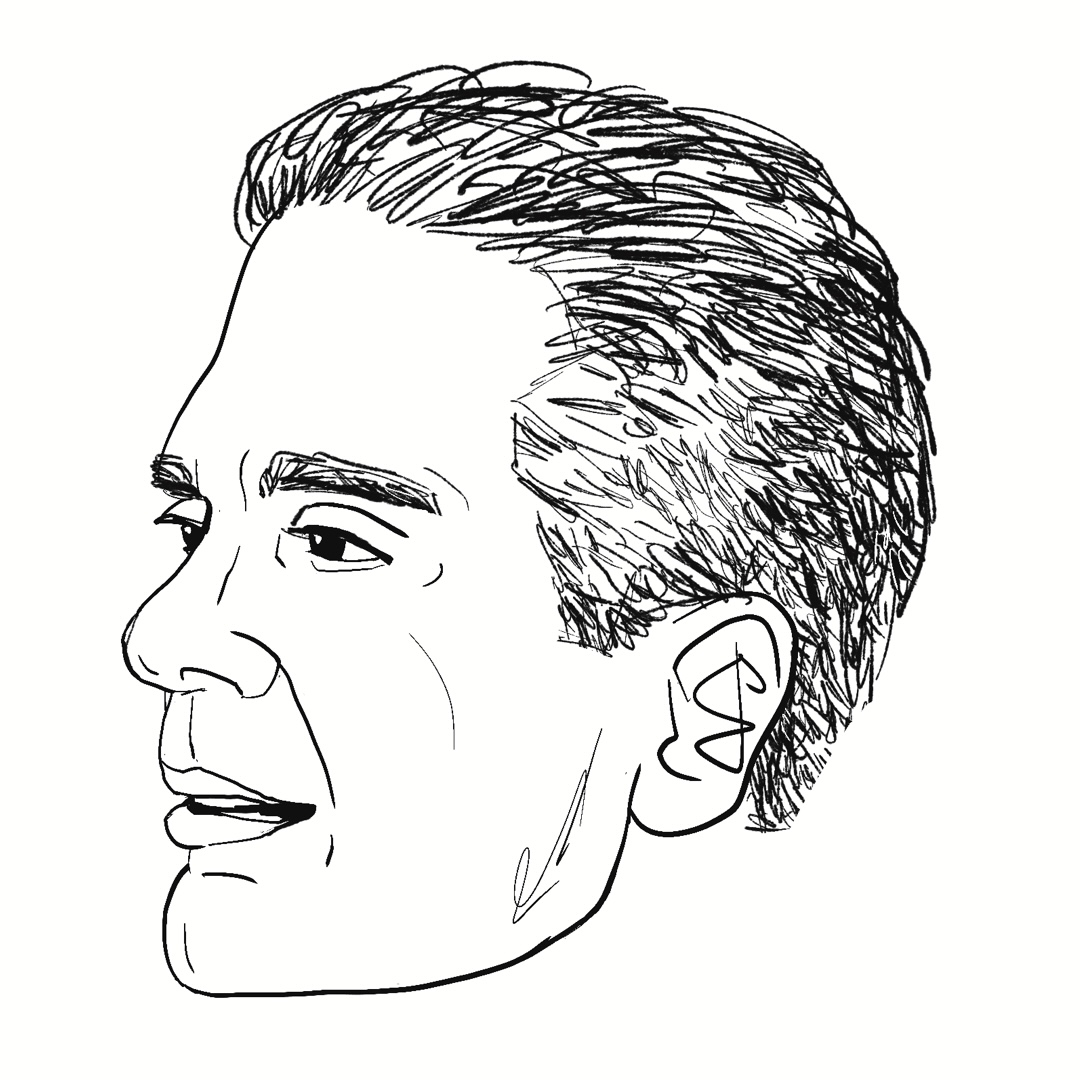
A child prodigy from a working class family who survived an upbringing of tumult and upheaval to become one of Britain’s most celebrated painters, elevate the art of landscape painting to unseen heights and, ultimately, die alone and in squalor - John Mallord William Turner remains as intriguing, appealing, and enigmatic as ever. He is most known for his paintings of the sea, large scale, vivid, dramatic depictions of naval battles, vessels fighting against the elements, and the violent nature of a nautical life. It has been said that Turner’s paintings capture all that could be said about the sea, and his sweeping scenes play out in visceral detail. Large skies illuminate danger and fury and Turner, like so few others, captured the truthful moods of nature in their wonder and variety. This work is in some ways unusual, there is lightness to it, a drama plays out with low stakes as a bright sky appears through clouds and the sailors are engaged in commerce with a nearby peddler. Yet, behind the sails, a steam boat appears in the distance - the battle depicted here is not one of violence, but of the past reckoning with a fast approaching, modern, industrial future.
AMEDEO MODIGLIANI
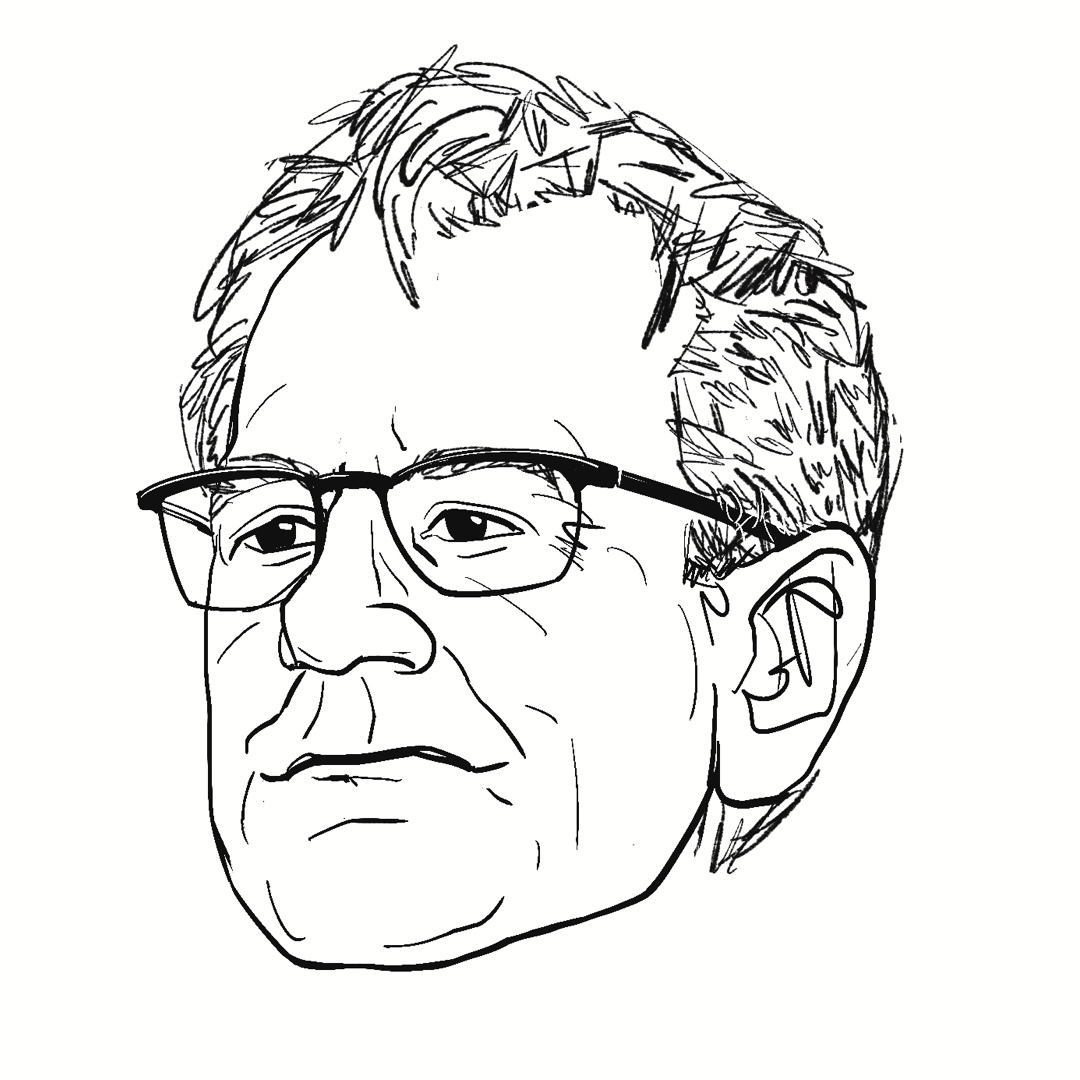
Two friends shared the commonality of context, but a radical difference in philosophy. Amedeo Modigliani and Jacques Lipchitz had arrived in Paris at the same age, and were two young Jewish men frequenting the same literary circles who became very close friends. Lipchitz exemplified a industriousness, working as a sculptor he was exacting and prolific, single-minded in his ambition as he became of Cubism’s most significant sculptors. Modigliani, on the other want, was the archetypal bohemian; a terrible drunk, he lived a fast life of debauchery and worked with speed, looseness, and the confidence of his brilliance. This is a rare work of Modigliani’s, not only for being one of the few double portraits he ever painted in his career, but also for the amount of time he spent on it. Lipchitz had recently come into some money when he commissioned the work of him and his wife from this friend. Modigliani’s charged only ten francs and painted the work in a single sitting. Lipchitz, wanting to help Modigliani financially, encouraged him to keep working on the painting for two weeks, paying him for it, despite Modigliani’s objections. The finished result is a work of delicate, assured beauty, not as loose as most of his canvases but retaining all the disquiet harmony.
MASAHISA FUKASE
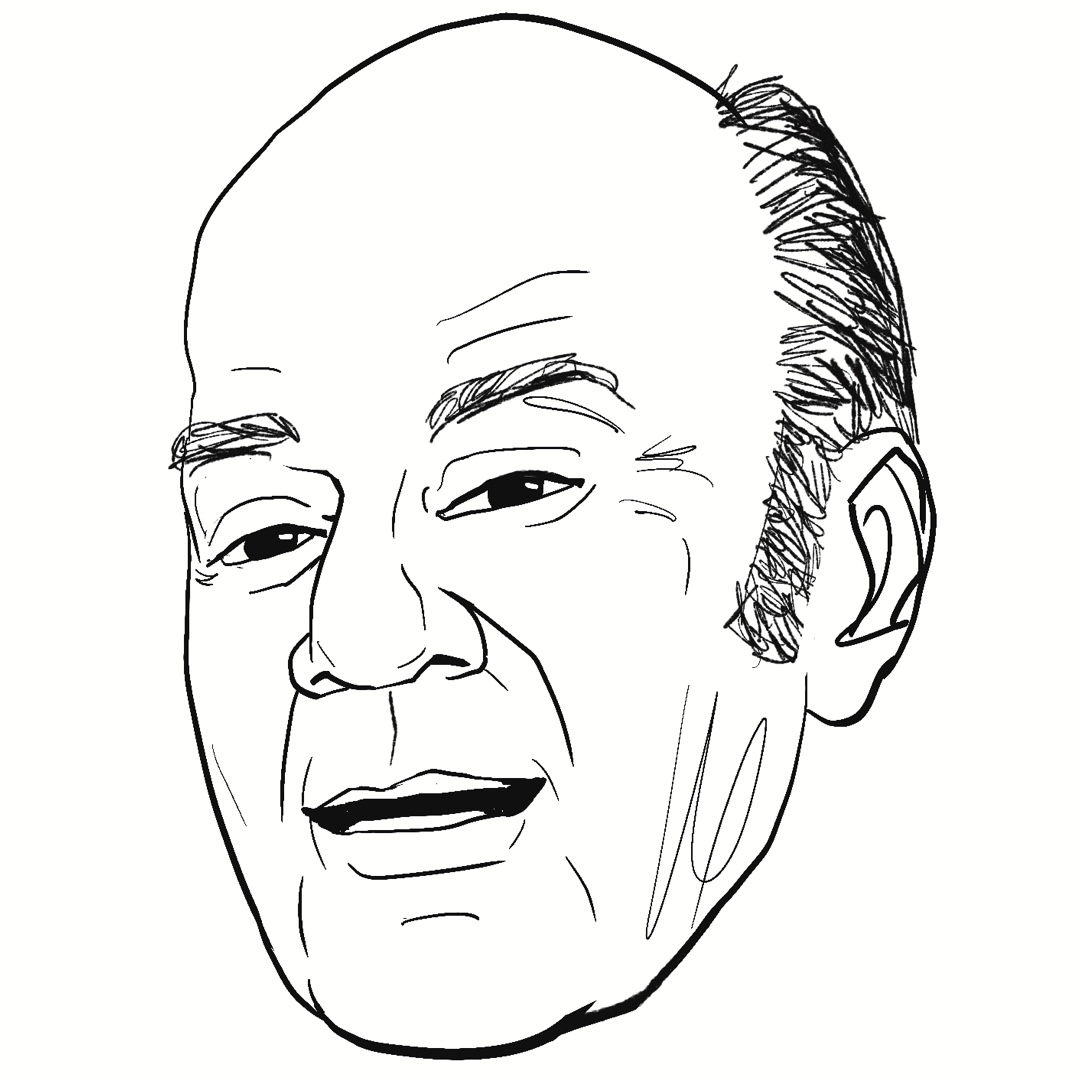
Masahisa Fukase desperately sought control. Both the first and second wives of the 'anti-self-portraitist' suffered under his incessant, obsessive documentation of their likenesses. It was only after his second divorce, returning on the mournful JE-train from Tokyo to his hometown of Hokkaido, that Fukase first glimpsed what was to become his defining obsession. Collected first as ‘The Solitude of Ravens’, the original title explains much of Fukase's intention - wallowing in depressive bachelorhood. The photographer spent the next eleven years in his birthplace, spiralling through his ceaseless fascination with its growing population of ‘ravens’. In all fact, the majority of the birds were anything but - for Hokkaido has few raven roosts, outnumbered in their hundreds by the myriad crows. It was the idea of ravens that compelled Fukase; in 1982, his journal read “karasu ni nata (I have become a raven)”.
Maureen Orth February 5, 2026
It was the middle of the day in the steamy Philippine jungle and the sun was merciless…
<div style="padding:56.25% 0 0 0;position:relative;"><iframe src="https://player.vimeo.com/video/1161995438?badge=0&autopause=0&player_id=0&app_id=58479" frameborder="0" allow="autoplay; fullscreen; picture-in-picture; clipboard-write; encrypted-media; web-share" referrerpolicy="strict-origin-when-cross-origin" style="position:absolute;top:0;left:0;width:100%;height:100%;" title="Bridge to Space clip 2"></iframe></div><script src="https://player.vimeo.com/api/player.js"></script>
1h 47m
2.4.26
In this clip, Rick speaks with George Saunders about comparison and competitiveness in one’s art.
<iframe width="100%" height="265" src="https://clyp.it/vgdf10qi/widget?token=7d9811d9e67fbfc35a9f8f76e6d9c65b" frameborder="0"></iframe>
Saturday 7th February
Humans once had an instinctive connection with the stars, through which stories, meanings, and ways of understanding the world were carried and preserved. Today, Mercury becomes visible in the evening sky, joining Venus, Saturn, and Jupiter, all observable with the naked eye and adding to a sense of cosmic wonder. Rudolf Steiner’s Star Verse reflects on this changing relationship between humanity and the cosmos: “The stars spoke once to man, it is world destiny that they are silent now. To be aware of this silence can be pain for earthly humanity. But in the deepening silence, there grows and ripens what human beings speak to the stars. To be aware of this speaking can become strength for Spirit Man.”
<style>
audio::-webkit-media-controls-timeline {display: yes;}
audio::-webkit-media-controls-current-time-display{display: yes;}
</style>
<audio id='a2' style="height: 5vh; width:100%;" controls="" name="media"><source src="https://clyp.it/tq14fjqa.mp3?token=716a4654ec0d1deb1d8a48abf17a35fd" type="audio/mpeg"></audio>